
EU–Mercosur Trade Agreement Opens New Export Opportunities Between Europe and Latin America
Analysis of the EU–Mercosur trade agreement and its impact on global export opportunities, supply chains and international trade between Europe and Latin America, focused on business growth, import-export strategies and market expansion for companies.
2/27/20262 min read

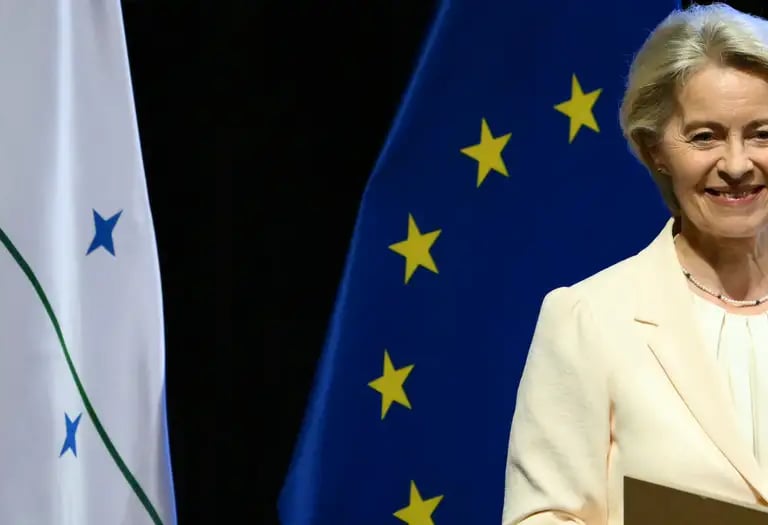
EU–Mercosur: Provisional Implementation Opens a New Phase of Business Opportunities Between Europe and South America
The European Commission’s decision to activate the provisional application of the EU–Mercosur trade agreement marks the operational beginning of a new economic phase between the two regions, creating an integrated commercial space of more than 720 million consumers and gradually removing barriers that have historically limited bilateral trade growth.
After more than 25 years of negotiations, the agreement begins generating tangible commercial effects even before full ratification, allowing companies to position themselves early and capture competitive advantages during the initial implementation phase.
Expanded Market Access for European Exporters
The gradual opening of Mercosur markets represents a significant expansion opportunity for European companies seeking diversification beyond mature or increasingly regulated markets.
Sectors expected to benefit most immediately include:
industrial machinery and agricultural equipment
food processing technology and industrial solutions
automotive and components manufacturing
chemicals and pharmaceuticals
logistics and supply chain services
processed food and premium-value products
Tariff reductions improve European competitiveness against Asian and North American suppliers, particularly in technology-driven industrial segments where European manufacturers maintain strong positioning.
For SMEs, the agreement reduces long-standing entry barriers into South American markets, including high customs duties and regulatory fragmentation.
Improved Access to the European Market for Mercosur Producers
At the same time, South American exporters gain enhanced access to the European market, particularly in:
agricultural commodities and raw materials
animal protein and food products
biofuels and natural resources
agro-industrial processed goods
This creates direct opportunities for European importers, distributors, food processors and commodity traders seeking stable and cost-competitive long-term supply sources.
The agreement encourages the development of integrated EU–Latin America value chains, combining South American production capacity with European processing, branding and distribution capabilities.
Strategic Window for Logistics and Industrial Investment
The provisional implementation arrives amid a broader global restructuring of supply chains. European companies are increasingly diversifying sourcing and production locations to reduce dependence on Asia and mitigate geopolitical risks.
Within this context, Mercosur emerges as a strategic platform for:
partial nearshoring of agro-industrial production
industrial joint ventures
transatlantic logistics hubs
food processing and storage investments
export platforms targeting third markets
Trade flows between Atlantic ports in Europe and South America are expected to expand structurally, supporting growth in maritime transport, cold-chain logistics and port infrastructure services.
First-Mover Advantage in the Provisional Phase
The provisional nature of the agreement creates a unique competitive environment. Companies entering early may benefit from lower competitive saturation before full market normalization.
Historically, early entrants in large-scale trade agreements have secured durable advantages through:
exclusive distribution partnerships
early commercial network development
rapid adaptation to harmonized technical standards
brand establishment in expanding markets
Provisional implementation allows businesses to structure commercial operations while institutional processes continue, shortening the gap between strategic planning and market execution.
Expected Impact on EU–Latin America Trade Dynamics
The agreement aligns with a broader trend toward regional diversification in global trade, as Europe strengthens economic partnerships with regions offering complementary resources, demographic growth and industrial potential.
For companies operating in agro-industry, logistics, import-export and food supply chains, EU–Mercosur integration introduces a renewed Atlantic trade axis with long-term growth potential across agriculture, energy, manufacturing and strategic raw materials sectors.
Contact
Business inquiries only. Privacy respected.
contact@marcelvian.com
© 2025. All rights reserved.