
Morocco’s Ports: Building a Strategic Gateway for Global Trade and Logistics
Morocco’s ports are emerging as strategic global logistics hubs, driving trade growth, regional development, and stronger connectivity between Europe, Africa, and global markets.
12/9/20252 min read
Morocco’s Ports: The Strategic Engine of Economic and Logistics Growth
Morocco is strengthening its position as one of the leading logistics hubs in the Mediterranean and Africa through an ambitious national strategy focused on the development of modern and complementary port infrastructure. The projects of Tanger Med, Nador West Med, and Dakhla Atlantique form part of a long-term vision aimed at boosting international trade, attracting investment, and reducing regional economic disparities.
Tanger Med: Africa’s Port Success Story
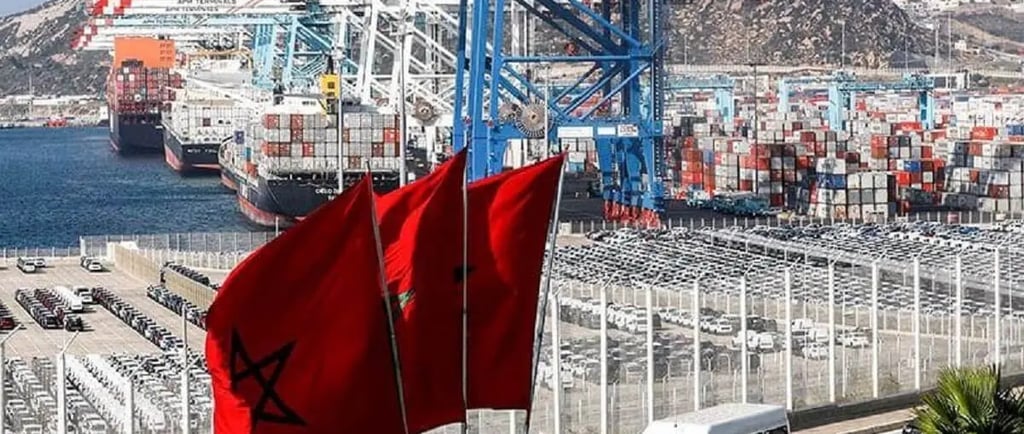
The Tanger Med Port stands as the clearest example of the economic impact that strategic port infrastructure can generate. Since becoming operational, the complex has grown into the largest container port in both the Mediterranean and Africa.
Handling more than 10 million containers annually, Tanger Med operates close to its maximum capacity and continues expanding to meet the growing demands of global trade. Its development has transformed the Tangier-Tetouan-Al Hoceima region into one of Morocco’s main industrial and logistics centers, attracting foreign investment and creating significant employment opportunities.
Located near the Strait of Gibraltar — one of the world’s busiest maritime corridors — the port serves as a natural bridge connecting Europe, Africa, and the Americas.
Nador West Med: Expanding Toward the Eastern Mediterranean
Following the success of Tanger Med, Morocco is advancing the development of Nador West Med, located in the country’s eastern region. The project aims to integrate less industrialized areas into national and international trade networks while creating a new logistics and industrial hub.
Strategically positioned in the Bay of Betoya, the port is designed to accommodate large vessels and complement Tanger Med’s operations by increasing Morocco’s overall maritime capacity and strengthening its role in global shipping routes.
Beyond logistics, Nador West Med is expected to stimulate regional economic growth through job creation, infrastructure development, and increased business activity.
Dakhla Atlantique: Port Development in the South
The third pillar of Morocco’s maritime strategy is Dakhla Atlantique, a project intended to accelerate economic development in the southern provinces and reinforce the country’s presence along Atlantic trade routes.
The port will enhance maritime connectivity, facilitate international trade flows, and attract logistics and industrial activities to the region. Its development reflects Morocco’s objective of balancing economic growth across territories rather than concentrating development solely in northern industrial zones.
A Complementary National Port Network
Morocco’s strategy is not based on a single mega-port but on the creation of an integrated and complementary port system:
Tanger Med as a global container and trade hub.
Nador West Med as an emerging Mediterranean industrial and logistics platform.
Dakhla Atlantique as an Atlantic gateway toward West Africa.
This network distributes trade flows, strengthens logistical resilience, and enhances Morocco’s competitiveness within global supply chains.
Ports as Drivers of Regional Development
Moroccan ports are designed not only as transport infrastructure but also as engines of territorial development. Their impact includes:
Direct and indirect job creation.
Attraction of industrial investment.
Expansion of logistics ecosystems.
Improved national and international connectivity.
The broader objective is to ensure balanced economic growth across all regions while reinforcing national economic cohesion.
Morocco and the Future of Maritime Trade
As global supply chains evolve and international trade routes continue to shift, Morocco is leveraging its ports as a key competitive advantage.
Through sustained investment in modern infrastructure and its strategic geographic position, the country is positioning itself as a major logistics gateway between continents, capable of supporting increasing maritime traffic and playing a central role in global trade in the decades ahead.
Contact
Business inquiries only. Privacy respected.
contact@marcelvian.com
© 2025. All rights reserved.